How to Choose the Best Ruger LCP Holster

Choosing the right Ruger LCP holster is essential for ensuring comfort, accessibility, and safety. Whether you carry daily or occasionally, the right holster enhances your firearm's functionality while aligning with your personal needs and lifestyle. With so many options available, it can be overwhelming to determine which one suits you best.

You need a holster that fits securely, provides quick access when needed, and matches your preferred carry style, be it concealed or open. Factors like material, retention level, and design play a crucial role in making the right choice. 

By understanding these key elements, you'll confidently select a holster that complements both your Ruger LCP and your everyday routine.

Key Takeaways

  • Choosing the right Ruger LCP holster is essential for comfort, safety, and accessibility, ensuring it aligns with your carry style and daily needs.
  • Key factors to consider include fit, material, retention level, and compatibility with accessories like lasers or lights to enhance functionality.
  • Carry positions such as IWB, OWB, appendix, pocket, ankle, or shoulder holsters offer unique advantages based on your lifestyle and concealment preferences.
  • Material options like Kydex, leather, polymer, or neoprene impact durability, comfort during extended wear, and resistance to sweat or moisture.
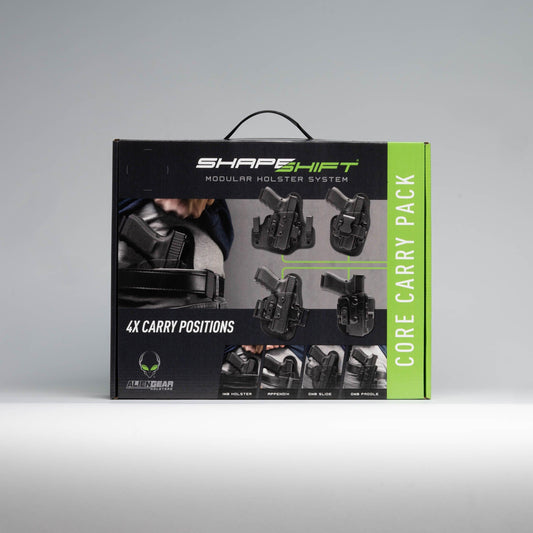
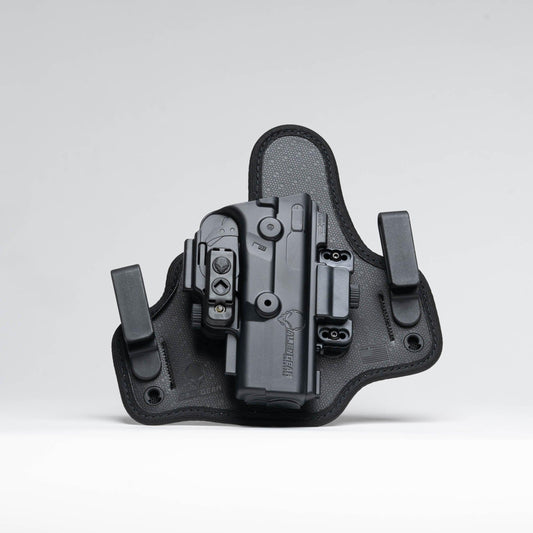
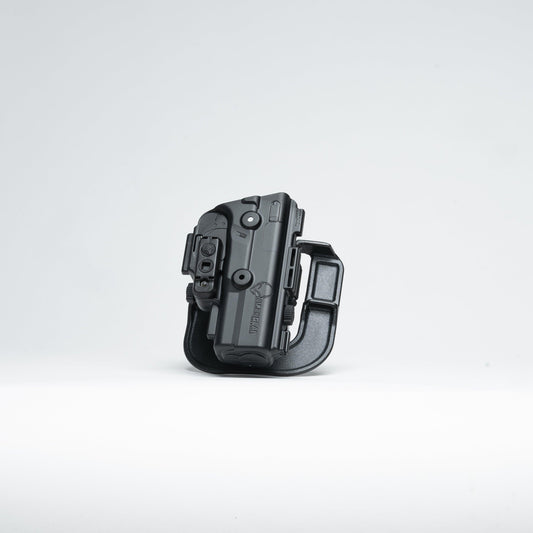
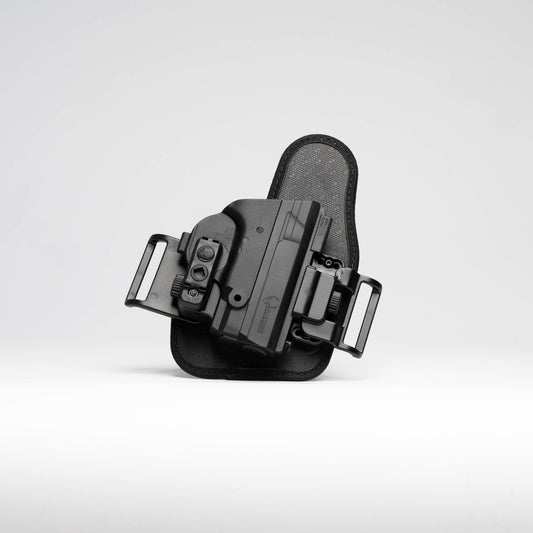
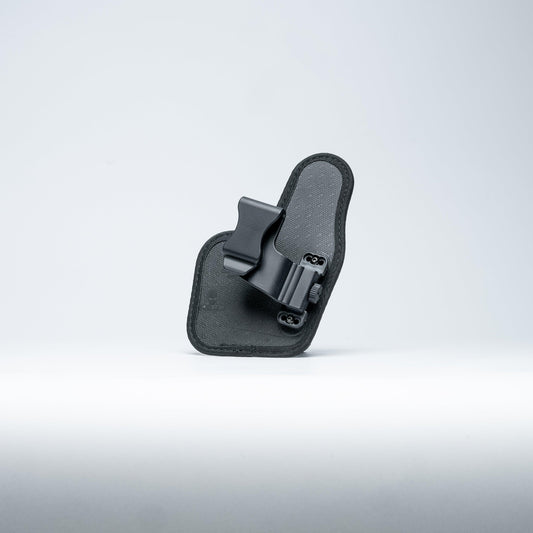
  • Trusted options like Cloak Tuck 3.5 IWB Holster or Shapeshift 4.0 combine comfort with security while addressing challenges like printing and quick draw speed.

Ruger LCP Overview

The Ruger LCP is a compact, lightweight pistol designed for concealed carry. Weighing approximately 9.6 ounces unloaded and measuring just 5.16 inches in overall length, it’s ideal for discreet everyday carry (EDC). Its slim profile, at only 0.82 inches wide, reduces printing when carried inside the waistband (IWB) or in pocket holsters.

Chambered in .380 ACP, the Ruger LCP offers manageable recoil and sufficient stopping power for self-defense scenarios. It features a short trigger pull and fixed sights optimized for close-range engagements. While its small size enhances concealment, it can present challenges with grip stability during rapid fire.

Compatibility with various accessories like lasers or lights depends on the specific model variant, such as the LCP II or LCP Max. These upgrades may influence your choice of holster since added attachments require precise fitment to ensure secure retention and smooth draw performance.

This firearm's popularity stems from its portability and ease of use, making it suitable for both new gun owners and experienced carriers seeking a reliable backup weapon. Selecting the right holster ensures you maximize these advantages while addressing common issues like comfort, accessibility, and sweat protection during extended wear.

Why Holster Fit Matters for Ruger LCP?

Holster fit directly impacts safety, comfort, and accessibility when carrying your Ruger LCP. A properly fitted holster secures the firearm in place, preventing accidental movement or dislodging during daily activities.

Poorly fitting holsters can lead to printing, reduced retention, or difficulty drawing the weapon under stress.

Safety and Retention

A snug fit ensures your Ruger LCP stays secure until intentionally drawn. High-quality holsters often include adjustable retention systems like screws or passive friction locks that accommodate the pistol's slim profile.

If a holster is too loose, it increases the risk of unintentional discharge or losing control of the firearm during physical activity.

Comfort During Carry

The compact size of the Ruger LCP makes it ideal for concealed carry methods such as inside-the-waistband (IWB) or pocket carry.

However, an ill-fitting holster may cause discomfort by shifting position or digging into your body throughout the day. Materials like polymer provide rigid support without adding bulk, while neoprene offers cushioning for extended wear.

Concealment and Printing

Fit also affects concealment by minimizing printing, the visible outline of your firearm through clothing. 

A well-designed IWB or appendix carry holster contours closely to your body, keeping the Ruger LCP discreet even under light garments. Opting for a low-profile design tailored to this specific model reduces visibility issues significantly.

Compatibility with Accessories

If you've added accessories like lasers or lights to your Ruger LCP, precise holster fit becomes critical. Many manufacturers offer models designed specifically for these modifications, ensuring proper alignment and secure retention without obstructing quick access during emergencies.

Carry Position Considerations for the Ruger LCP

The Ruger LCP is designed around deep concealment and minimal weight, which gives it more carry flexibility than most handguns. Comfort, draw speed, and security will vary depending on where and how it’s carried, especially given the LCP’s light frame and short grip.

Inside-the-Waistband (IWB)

IWB carry works well for the Ruger LCP due to its thin slide and low overall mass. Many users note that the pistol all but disappears under a t-shirt, even when worn for long hours.

Because the LCP is so light, retention becomes more important than weight support—choose a holster that fully covers the trigger guard and resists collapse. Sweat protection is also a frequent concern, as extended skin contact can accelerate surface wear on the slide.

Outside-the-Waistband (OWB)

OWB carry is less common for the LCP but can be practical for short outings or range use. Owners often mention that the small grip can feel less stable in OWB rigs unless retention is properly tuned.

This position offers a clean draw but usually requires a jacket or overshirt to avoid exposing the pistol, as the LCP’s short grip does not anchor as securely as larger handguns.

Appendix Carry

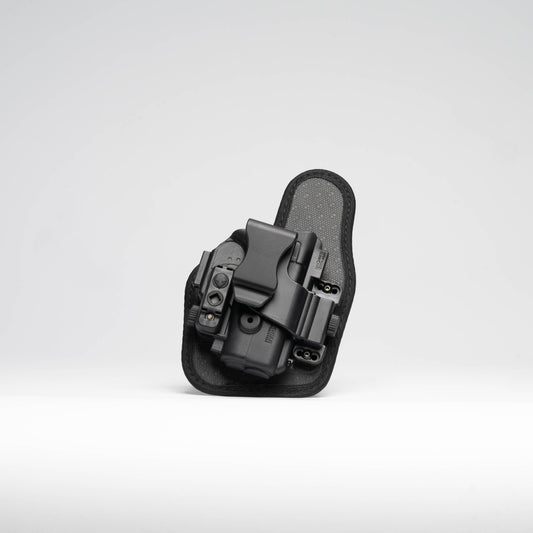
Appendix carry is one of the more popular waistband options for the Ruger LCP. Its compact dimensions reduce pressure points when sitting or bending, something users frequently contrast with larger micro-compacts.

Because the grip is short, a slight forward cant helps improve purchase during the draw. A rigid holster is especially important here to compensate for the LCP’s light weight and prevent shifting during movement.

Ankle Carry

Ankle carry aligns closely with how many owners use the Ruger LCP—as a backup or deep-concealment firearm.

The pistol’s low weight minimizes fatigue, even during full workdays. The trade-off, as commonly noted, is slower access and the need to practice the draw consistently. A well-padded ankle rig helps prevent movement and keeps the firearm stable while walking.

Retention & Draw Speed

Solid retention keeps your Ruger LCP secure and prevents unexpected movement during daily activities. Adjustable retention, often found in Kydex, polymer, or Boltaron holsters, lets you dial in the right balance between holding power and a clean release.

Boltaron, in particular, offers greater strength and heat resistance than standard Kydex, making it a more reliable choice if you’re after long-term consistency.

Draw speed hinges on design and carry position. Appendix setups typically allow faster access since they sit closer to your natural hand position, while options like pocket or ankle carry tend to slow things down. Passive retention holsters, which rely on friction, can speed up your draw but might give up some extra security. In contrast, active systems with thumb breaks or locks add a layer of safety but require extra practice to master under stress.

Material also plays a big role. Rigid shells such as Boltaron or Kydex maintain consistent tension and allow for smoother reholstering over time. Leather can feel softer against the body but tends to lose its grip with wear, potentially affecting repeatable draws.

If you’ve added a laser or light to your Ruger LCP, make sure the holster is designed to accommodate those extras without creating snag points or compromising retention.

Lastly, consider your daily movements. For example, sitting long hours can make certain positions awkward or slow. Testing different setups—whether IWB at various clock positions or OWB—helps ensure you get a secure fit that’s still quick when it matters.

Material Options for Everyday Carry

The material you choose for your Ruger LCP holster plays a big role in comfort, retention, and durability. Every option has trade-offs, and understanding them helps you match your holster to your daily routine.

Kydex

Kydex is known for its firm structure and reliable shape retention. It keeps tension consistent, so your LCP stays secure even with repeated use. Because it resists sweat and humidity, it works well for concealed carry in warm climates or active situations.

Appendix IWB holsters in Kydex maintain a low profile and allow quick access. However, it’s worth noting that Boltaron outperforms standard Kydex in heat resistance and impact strength, making it an even better choice if you want extra durability.

Polymer

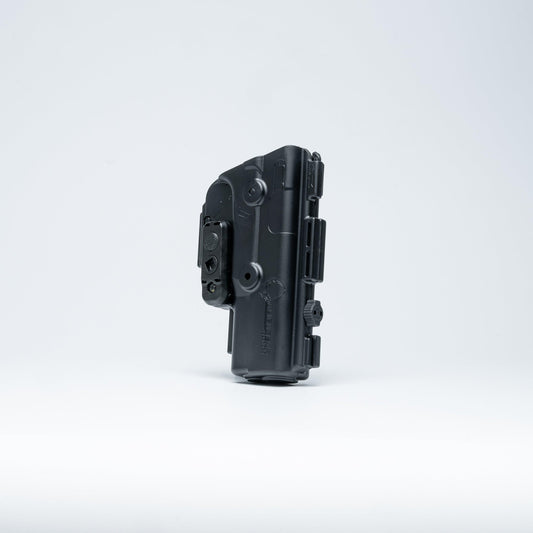
Injection-molded polymer holsters share many of Kydex’s strengths but often come in modular designs that handle accessories like lights or lasers without issue. Polymer’s heat stability prevents warping during long wear, and its lightweight construction helps with comfort, especially for all-day carry.

Leather

Leather offers a traditional look and molds to your body over time, creating a comfortable fit. But it does require upkeep—moisture and sweat can soften leather, gradually affecting retention. If you stick to OWB or pocket carry and don’t wear it in extreme conditions, leather can be a solid option, as long as you’re prepared to maintain it.

Neoprene

Neoprene is used in hybrid holsters where a soft backing sits against your skin while a rigid shell holds the firearm. It reduces friction and pressure, which is helpful if you spend long hours carrying, especially in IWB positions like hip or back carry. While it’s not as rigid as Kydex or Boltaron, it shines when comfort is a priority.

Adjustability & Modularity

Adjustable and modular holsters provide flexibility for different carry preferences and firearm configurations. Holsters with adjustable cant, ride height, or retention allow you to customize the draw angle and positioning for optimal comfort and accessibility.

For example, an inside-the-waistband (IWB) holster with adjustable cant lets you fine-tune the angle for a smoother draw from your preferred carry position.

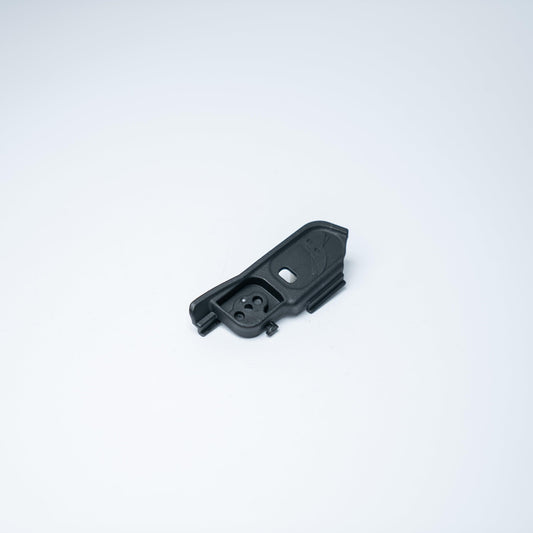
Modular designs enhance compatibility by accommodating accessories like lasers or lights on your Ruger LCP. Many Kydex or polymer holsters feature interchangeable mounting options, enabling use across multiple carry methods such as appendix, OWB, or chest rigs. This adaptability ensures that one holster can meet various needs without requiring separate purchases.

Retention adjustments are critical for balancing security and ease of access. Look for models with screws or tension systems that let you modify how tightly the holster grips your pistol. This is especially important if you frequently change between concealed carry positions or add attachments to your firearm.

Some hybrid holsters combine materials like leather backings with polymer shells to offer both comfort and adjustability. These designs often include modular clips or loops that work with belts of varying widths, ensuring stability during movement while maintaining concealment.

What are the Best Holsters for the Ruger LCP?

The Ruger LCP is built for discreet carry, not bulk or duty use. Because it’s ultra-light and slim, the right Ruger LCP holster should focus on stability, trigger protection, and consistent draw—not just concealment alone. Below are the most practical holster styles owners use with the LCP and why they work.

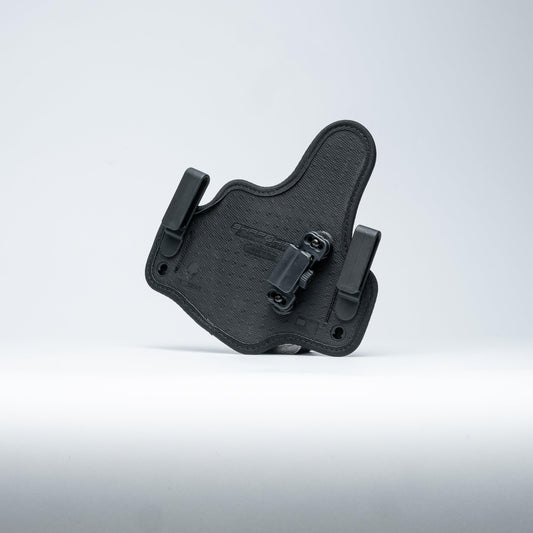
Low-Pro IWB Holster

A low-profile IWB holster pairs naturally with the Ruger LCP’s thin frame. It rides close to the body, keeping the pistol from shifting while staying comfortable under light clothing. Many users prefer adjustable retention here, since the LCP’s low weight can cause movement in softer holsters if not properly secured.


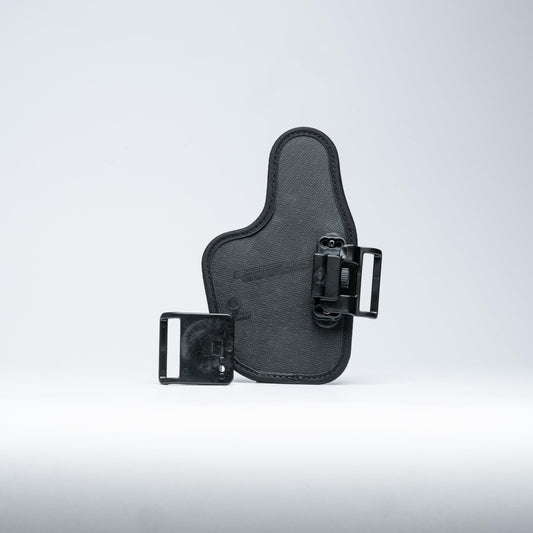
Belt holster

Belt holsters - cloak series - Alien Gear Holsters

Belt-mounted holsters offer a familiar feel and predictable draw stroke for LCP owners who don’t rely on pocket carry. Whether worn inside or outside the waistband, a belt holster adds structure and keeps the pistol indexed in the same position throughout the day—something lightweight firearms can struggle with.


Low-Pro OWB Holster

Low-Pro OWB Holster for Beretta - Alien Gear Holsters

OWB holsters for the Ruger LCP are often used for range days or quick errands rather than deep concealment. Their main advantage is convenience: easy on, easy off, and no waistband pressure. Since the LCP is small, retention quality matters more than coverage to prevent the pistol from feeling “loose” on the belt.


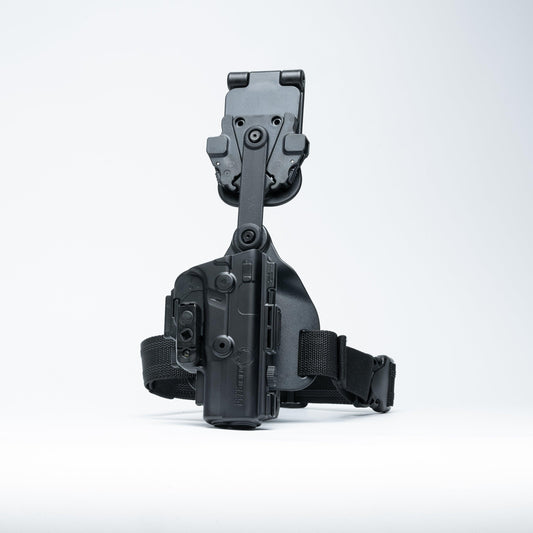
Swivel Drop Leg Holster

reliable drop leg holster built in Idaho by Alien Gear

A drop-leg holster isn’t a typical choice for a pistol this small, but it does have niche use cases. Some shooters use a Ruger LCP drop-leg setup for training, backup carry drills, or when wearing heavy outerwear or equipment that blocks belt access. It’s more specialized than necessary, but still functional.


Chest Holster

chest rig produced by Alien Gear Holsters - fit 700 guns

Chest holsters shine when sitting, driving, or moving outdoors. For hikers or vehicle-heavy routines, carrying the Ruger LCP high on the torso keeps it accessible without interference from seatbelts or waist gear. The light weight of the LCP makes chest carry noticeably less fatiguing than larger pistols.


Hook & Loop Holster

Cloak shell holster made by Alien Gear Holster in the USA

Hook-and-loop holsters give the Ruger LCP flexibility in non-traditional carry setups. These are often used in bags, vehicle mounts, or modular panels where repositioning matters. They’re best for controlled environments rather than daily on-body carry, where consistent orientation is critical.


Belly Band

Belly bands are a popular option for Ruger LCP owners who wear athletic clothing or don’t use belts. The pistol’s low profile helps prevent sagging, though proper fit is key to keeping the firearm secure during movement. This setup prioritizes comfort and concealment over speed.


Appendix (AIWB)

Appendix carry works exceptionally well with the Ruger LCP because of its short grip and light slide. With the right holster, the pistol remains comfortable while seated and virtually disappears under a t-shirt. A rigid trigger guard and adjustable cant help ensure a consistent draw despite the gun’s minimal mass.


Final Thoughts on Choosing the Best Ruger LCP Holster

Choosing the best Ruger LCP holster is a decision that requires careful consideration of your lifestyle, carry preferences, and daily activities. A well-suited holster not only enhances safety and accessibility but also ensures comfort during extended wear.

By evaluating factors like fit, material, retention, and design, you can find a holster that complements both your firearm and personal needs. Take the time to test different options and configurations to ensure your choice provides the reliability and performance you expect in any situation.

Frequently Asked Questions

What makes the Ruger LCP a popular choice for concealed carry?

The Ruger LCP is lightweight, compact, and easy to conceal. Weighing only 9.6 ounces and measuring 5.16 inches in length, it’s ideal for discreet carry. Its .380 ACP chambering offers manageable recoil with sufficient stopping power for self-defense. The slim profile minimizes printing, making it suitable for inside-the-waistband (IWB) or pocket holsters.

Why is selecting the right holster important for the Ruger LCP?

A proper holster ensures safety, comfort, and accessibility when carrying the Ruger LCP. It secures the firearm to prevent accidental dislodging while allowing quick access during emergencies. A well-fitted holster also enhances concealment by minimizing printing through clothing.

What factors should I consider when choosing a holster for my Ruger LCP?

Key factors include fit, retention level, material, comfort, draw speed, and compatibility with accessories like lasers or lights. Additionally, consider your preferred carry position (e.g., IWB or OWB) and daily activities to ensure optimal performance and usability.

Which materials are best for Ruger LCP holsters?

Kydex is durable and sweat-resistant, offering excellent retention over time. Leather provides traditional aesthetics but may require maintenance. Hybrid options combine materials like neoprene-backed Kydex for added comfort without sacrificing security. Choose based on climate and lifestyle needs.

How does carry position affect accessibility with the Ruger LCP?

Carry positions impact both draw speed and concealment. Appendix carry allows faster access but may be less comfortable sitting down. Pocket carry offers convenience but slower draw times. Inside-the-waistband (IWB) provides great concealment while outside-the-waistband (OWB) prioritizes easier access.

Are adjustable holsters worth considering for the Ruger LCP?

Yes! Adjustable holsters allow customization of cant angle, ride height, and retention levels to suit personal preferences. Modular designs also accommodate accessories like lasers or lights while enabling flexibility across different carry methods.

Can I use one holster type across multiple scenarios?

Modular holsters are versatile enough to adapt to various situations by allowing adjustments in positioning or configuration. For example, hybrid designs offer both comfort and secure retention whether you're carrying concealed or openly.

Do specific accessories affect my choice of a Ruger LCP holster?

Yes! Accessories like lasers or lights require precise fitment within your chosen holster to maintain secure retention and smooth drawing capability. Ensure compatibility before purchasing a holster if using such attachments.

What are some trusted brands or models of Ruger LCP holsters?

Popular options include the Cloak Tuck 3.5 IWB Holster (breathable neoprene back), Shapeshift 4.0 Holster (modular design), belly band holsters for active wearers, chest rigs for outdoor use, and OWB designs like paddle-style carriers offering easy access.

How can I test if a particular holster works well with my Ruger LCP?

Test by wearing the unloaded firearm in different positions throughout daily activities to assess comfort, accessibility, concealment effectiveness (printing), and ease of draw/reholstering under realistic conditions before committing long-term use!


Back to blog