Glock 19 Holsters - Precision Fit for the World's Most Popular Carry Pistol
The Glock 19 is a compact 9mm pistol with a 4.02" barrel, 7.36" overall length, and approximately 23.6 oz unloaded weight. Its 15+1 capacity and balanced dimensions make it one of the most widely carried handguns for concealed carry, duty backup, and general defensive use.
This popularity has led to extensive holster development across Gen 3, Gen 4, and Gen 5 variants, though critical fit differences exist—particularly around the Gen 5's slightly flared magwell and ambidextrous slide stop—that require generation-specific or accommodating holster designs.
Glock 19 Holster Compatibility Overview
This collection supports the Glock 19 across sixteen distinct configurations (Review available variants on each product page):
- Standard Glock 19 (Gen 3, 4, and 5 without optics or lights)
- Glock 19X (full-size grip with G19-length slide)
- Glock 19 MOS (optics-ready slide with modular optic system)
- Glock 19 with Crimson Trace Defender Laser DS-121
- Glock 19 with Crimson Trace Laser LG-436
- Glock 19 with Crimson Trace Rail Master Pro CMR-204/205
- Glock 19 with Nightstick TCM-550XL/XLS
- Glock 19 with Nightstick TWM-850XL/XLS
- Glock 19 with Nightstick TWM-30
- Glock 19 with Nightstick TWM-350
- Glock 19 with Streamlight TLR-1
- Glock 19 with Streamlight TLR-7A
- Glock 19 with Surefire X300
- Glock 19 with Surefire XC1 Light
- Glock 19 with Viridian Reactor R5 Green/Red Laser ECR
Each holster is laser-scanned to exact specifications for its stated configuration. MOS variants accommodate red dot optics and suppressor-height backup sights through full clearance channels. Light-bearing models are molded around specific light body dimensions—attempting to use a holster molded for one light model with a different light commonly results in binding, incomplete seating, or retention failure.
Critical compatibility note: Holsters cut for MOS/optic-ready slides typically allow standard non-optic Glock 19 models to fit, but standard non-cut holsters will interfere with red dots or tall sights. Light-bearing holsters require the specified light to be installed for proper retention—these holsters should not be used without the light attached.
How to Choose the Right Alien Gear Holster for Glock 19
Selection depends on carry method, daily environment, and whether concealment or accessibility takes priority.
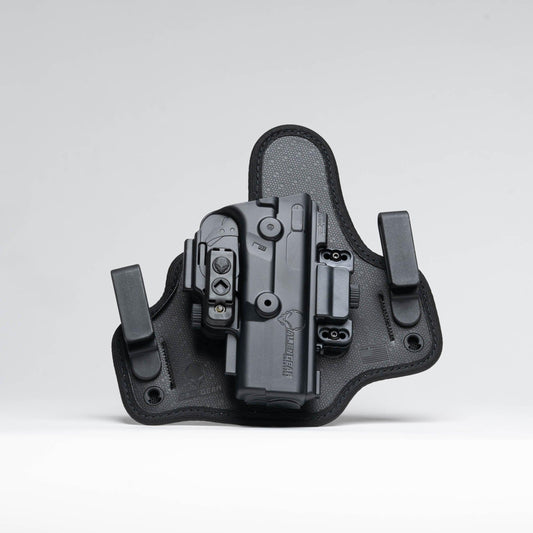
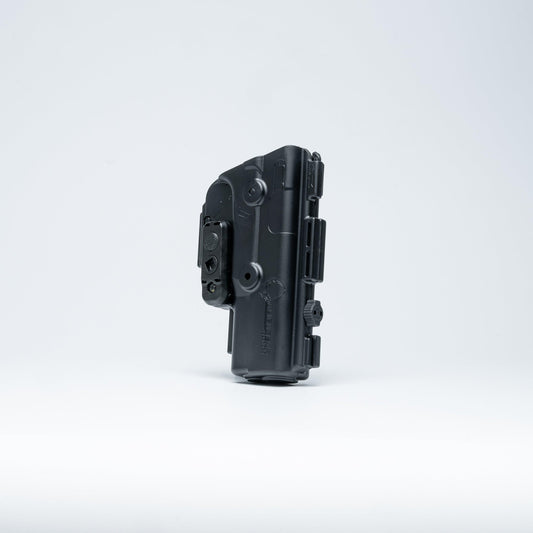
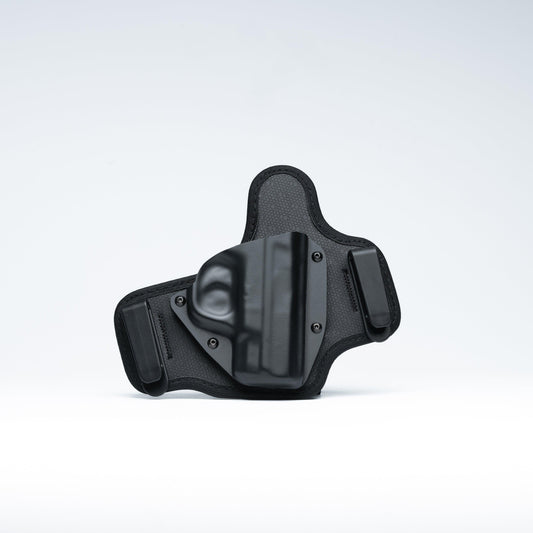
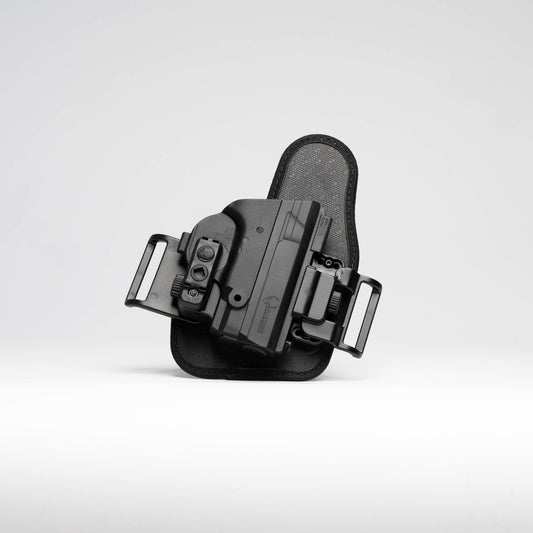
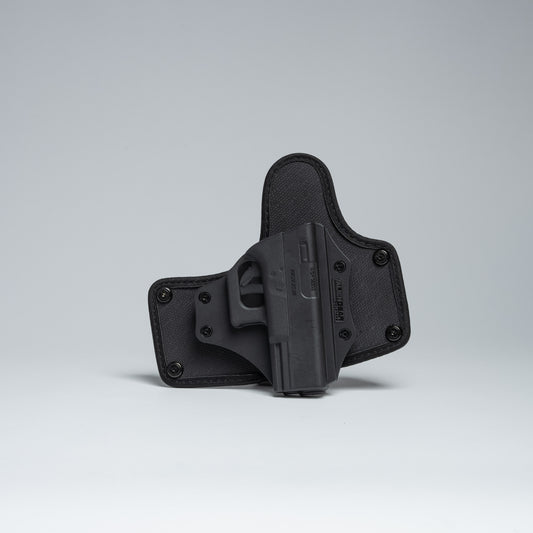
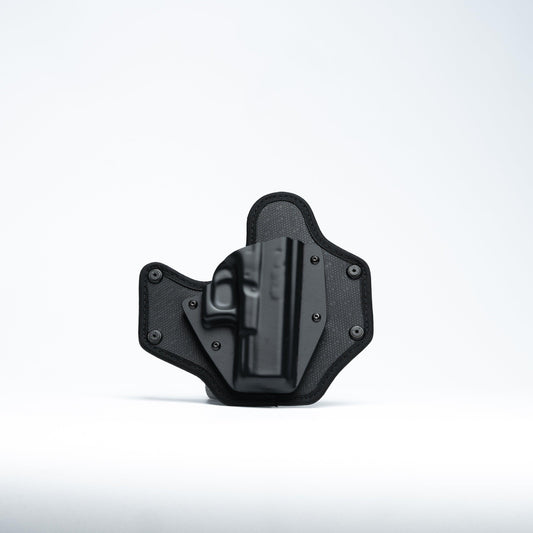
IWB Holsters serve inside-the-waistband concealed carry and represent the most common carry method for the Glock 19. Adjustable cant (0–15°) and ride height allow tuning for body type and clothing choices. The G19's compact dimensions make IWB carry viable for most users, though the grip length and 23.6 oz loaded weight require attention to belt quality and positioning. Strong-side carry at 3:30–4:30 typically provides the most comfort for extended wear and works well under cover garments, though drawing while seated requires practice.
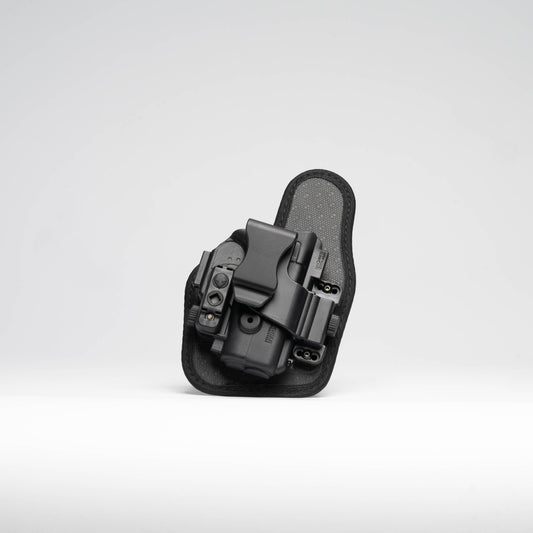
Appendix Holsters position the Glock 19 at the front of the waistline between 12 o'clock and 2 o'clock. This method offers fast access and works well for users who spend significant time seated, though grip printing and sitting comfort can be challenging. The G19's grip length may require careful ride height adjustment, wedges, or specialized cant tuning to reduce muzzle and grip pressure when sitting or driving. Shorter torsos may experience more grip "tipping" away from the body.
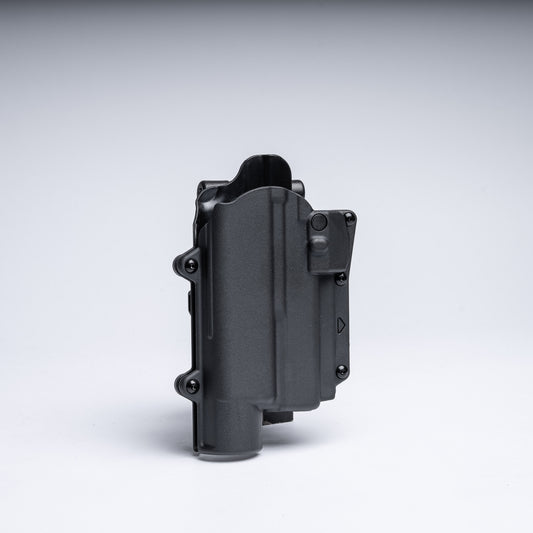
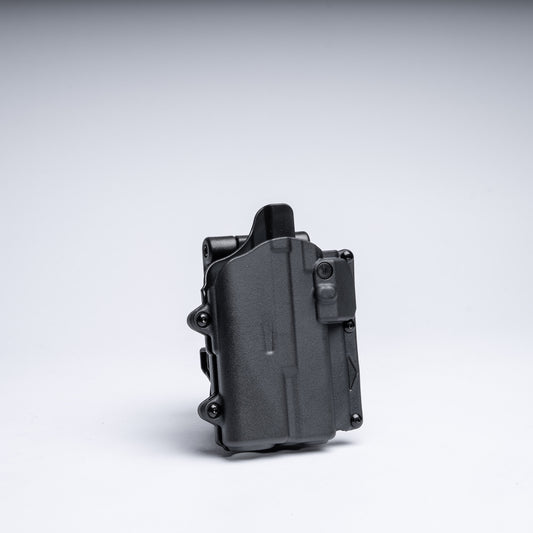
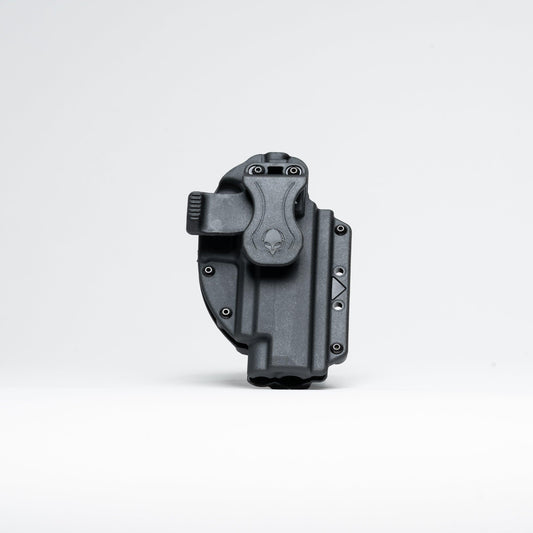
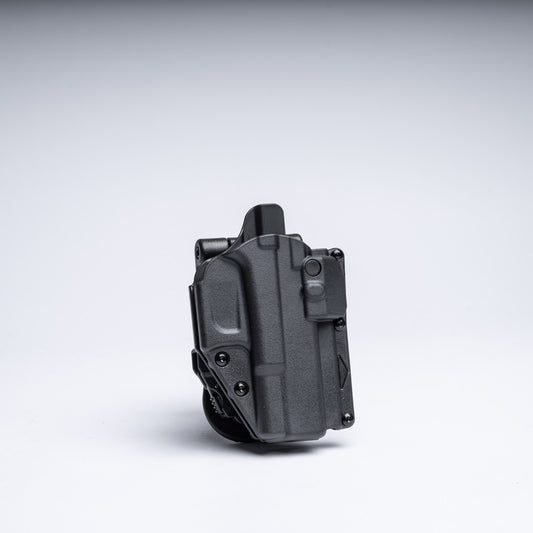
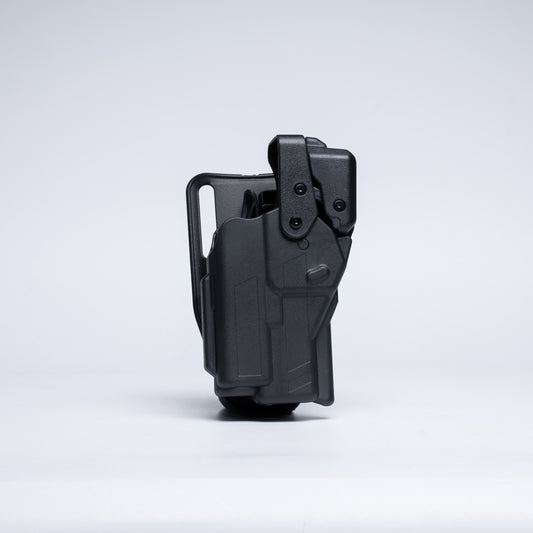
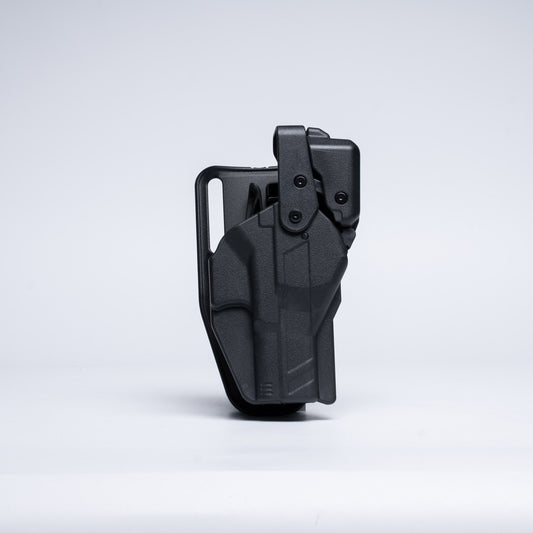
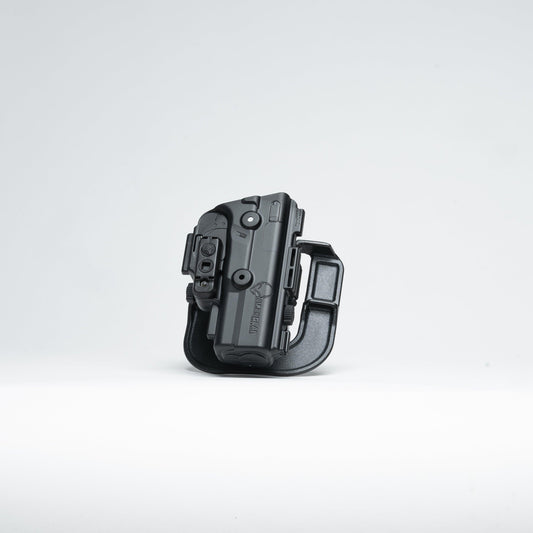
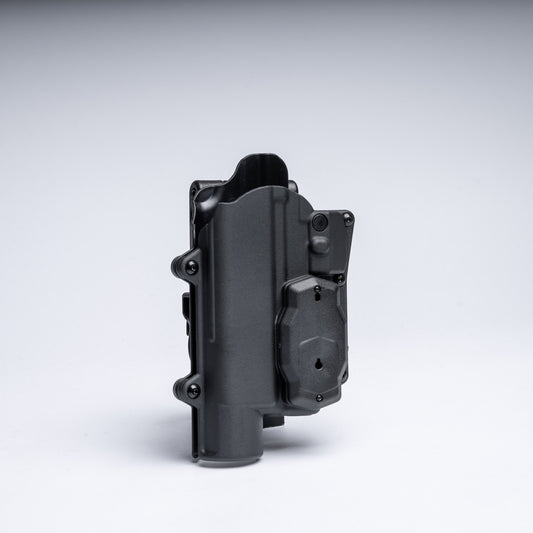
OWB Holsters provide outside-the-waistband carry for open carry, range training, or situations where deep concealment is not required. The Glock 19's moderate weight prevents excessive belt sag during extended wear. OWB options in this collection span belt-mounted models, duty configurations, and tactical applications.
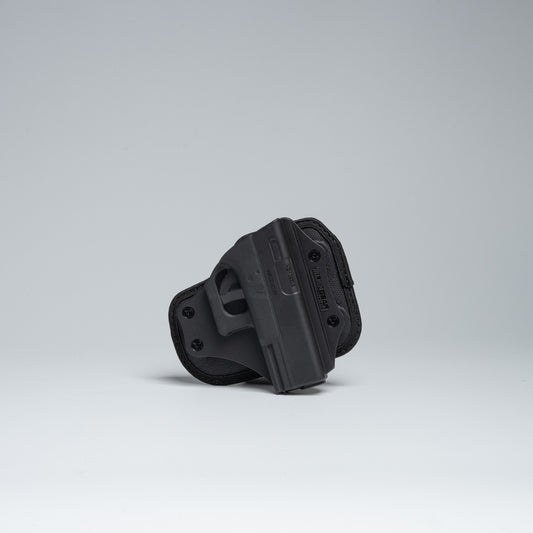
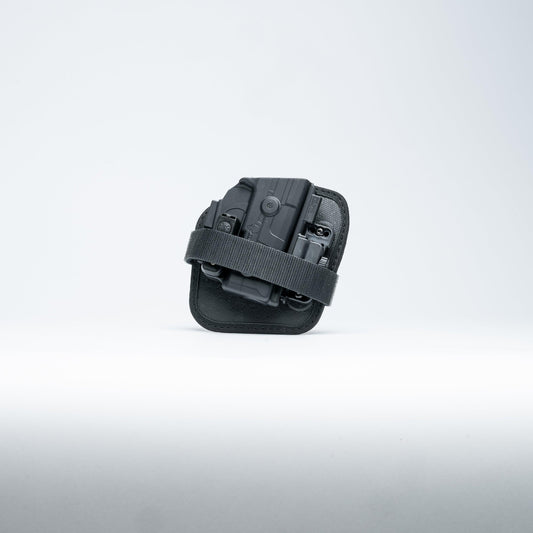
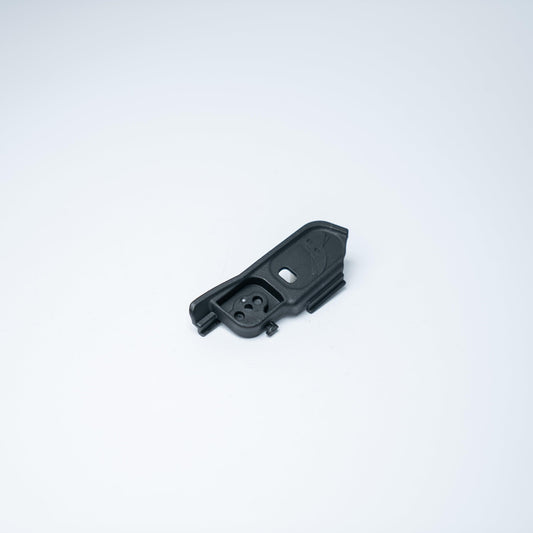
Paddle Holsters offer tool-free attachment through paddle-style mounting that distributes weight without threading through belt loops. This allows quick on/off cycles for range sessions or situations requiring frequent holster removal.
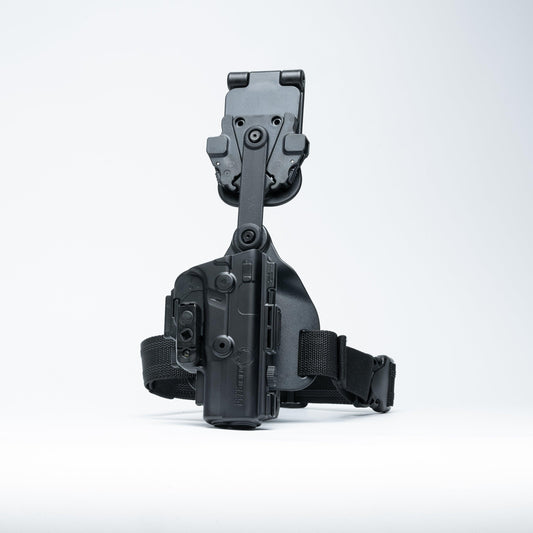
Drop Leg Holsters position the Glock 19 lower on the thigh for tactical applications, military use, or scenarios where belt-line carry interferes with gear, vehicle seating, or body armor.
Chest Holsters serve outdoor activities where waistline access is obstructed by pack belts, climbing harnesses, or when hands-free security is required during hiking, biking, or backcountry movement.
Hook & Loop Holsters enable mounting to soft surfaces, vehicle interiors, pack straps, or platforms without traditional belt attachment. This addresses off-body carry scenarios or situations requiring repositioning flexibility.
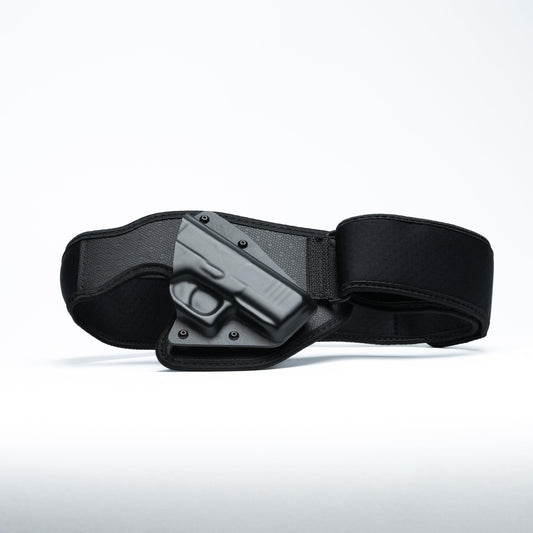
Belly Band Holsters provide elastic mounting around the torso without requiring a traditional belt, serving users whose clothing choices, body type, or medical considerations make belt-line carry impractical.
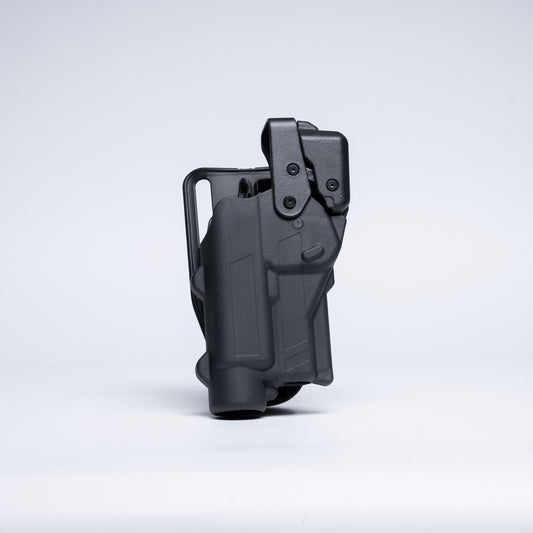
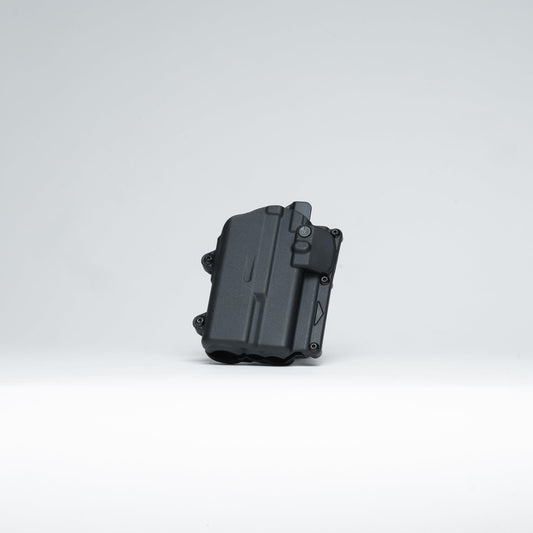
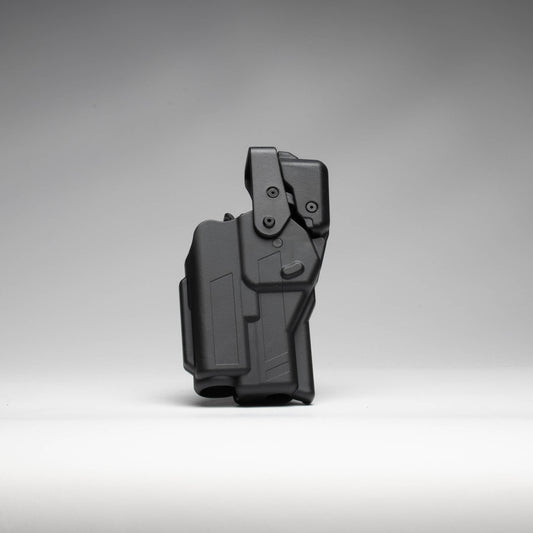
Level 2 and Level 3 Retention Holsters incorporate active retention mechanisms (thumb releases, rotating guards, or locking levers) for law enforcement duty use, military applications, or high-security scenarios where passive retention alone is insufficient.
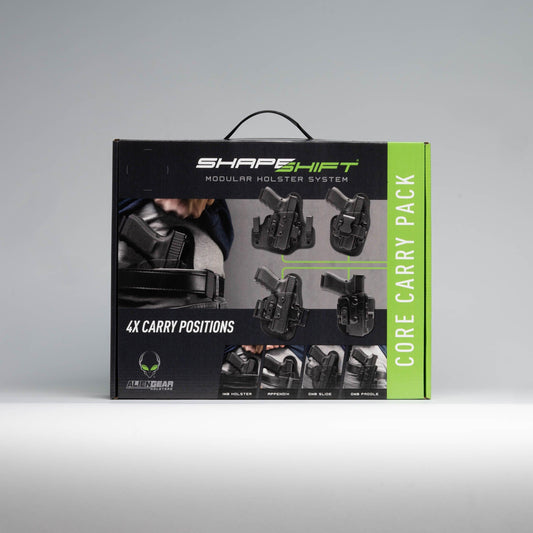
Available holster lines include Cloak, Low-Pro, PHOTON®, RAPID FORCE®, and ShapeShift® models, each offering different feature sets, adjustment ranges, and material constructions suited to specific carry contexts.
Carry Styles Supported by This Collection
This collection covers IWB, appendix, OWB, paddle, drop leg, chest, hook-and-loop, belly band, Level 2, and Level 3 carry methods.
All rigid holsters use advanced polymer construction engineered for heat resistance, dimensional stability, and long-term durability. Adjustable retention screws allow user-controlled tightness calibration for different operational requirements—tighter for duty or high-movement activities, looser for training repetitions or competition draws.
The Glock 19 is widely considered a "do-everything" pistol, balancing concealability with shootability and capacity. However, users frequently report that the G19 requires more attention to holster fit, belt quality, and clothing choices than slimmer compact pistols.
Well-fitted holsters with proper ride height and cant adjustment allow year-round carry for most users, though wardrobe adjustments (longer cover garments, patterned shirts that break up printing) often improve concealment success.
Comfort considerations: Many carriers describe the Glock 19 as noticeably bulkier than slim single-stack compacts, particularly in hot weather or with fitted clothing. Discomfort is frequently traced to inadequate belt support, improper ride height, or holsters not molded specifically to the G19's frame. Proper setup typically resolves these issues without requiring a different pistol.
Common Fit or Selection Mistakes to Avoid
Assuming universal "Glock 19 holster" fit:
Generation differences—particularly Gen 5's flared magwell and ambidextrous slide stop—can create fit issues with holsters molded only for earlier generations. Additionally, MOS models with optics or tall sights require optic-cut holsters to avoid interference.
Mismatched light configuration:
Light-bearing holsters must match the exact light model installed on your Glock 19. Using a holster molded for a different light will result in poor retention, binding, or inability to fully seat the pistol. Light-bearing holsters should not be used without the specified light installed, as retention is often indexed to the light body itself.
Choosing generic or "one size fits most" holsters:
Soft holsters or universal rigs frequently provide incomplete trigger guard coverage, can collapse during reholstering (forcing you to search for the opening with the muzzle), and often allow the pistol to shift position during normal movement. Rigid, model-specific holsters maintain consistent trigger guard protection and retention under all carry conditions.
Over-tightening retention screws:
Excessive retention pressure creates harsh draws, accelerates slide finish wear, and can make users feel the holster is "unsafe" because they must fight the gun out of it. Proper retention holds the Glock 19 securely during running or vigorous movement without requiring altered grip angle or excessive force to draw.
Neglecting belt quality:
The Glock 19's loaded weight (approximately 30+ oz with magazine and potential accessories) requires a supportive belt. Overly flexible belts allow the holster to sag or the grip to lean away from the body, increasing printing. Excessively rigid belts create uncomfortable pressure points and prevent natural body movement.
Ignoring clothing interaction:
The G19's grip length and width make it more sensitive to tight or short clothing than slimmer pistols. Many carriers discover that good holsters still print under fitted shirts or short cover garments, leading them to stop carrying rather than adjusting wardrobe choices.
Overfocusing on material while neglecting fit parameters:
Whether a holster uses leather, hybrid construction, or full polymer is less important than whether it's molded to the G19's exact dimensions, offers proper cant and ride height adjustment, and interfaces correctly with your belt. Material preferences are valid but secondary to functional fit.
When This Collection May Not Be the Right Fit
This collection does not include:
- Shoulder holsters for cross-draw carry or situations requiring torso-mounted carry without waistline attachment
- Ankle holsters (impractical given the G19's size and weight for ankle carry)
- Small-of-back holsters (not recommended due to back injury risk if you fall and difficult draw/reholster mechanics)
- Holsters for compensated Glock 19 models or those with threaded barrels and attached compensators
- Holsters for lights beyond those explicitly listed (other Streamlight, Surefire, or third-party light models not specified in compatibility)
If your Glock 19 uses aftermarket controls (extended slide stop, magazine release, trigger guard undercuts, or aggressive grip texturing), verify clearance before ordering, as these modifications can interfere with holster insertion or create pressure points during carry.
Users seeking minimalist trigger-guard-only retention devices should note that while some find these adequate, many report instability, increased printing, and discomfort compared to full-coverage holsters—particularly when sitting, bending, or during vigorous movement.